
Street art Mott Haven, Bronx
As I’m hiring for the next school year, I’m starting to see a key teacher quality I hadn’t recognized before: the ability to be an adult around teenagers.
This may sound obvious. What I mean is that the teacher knows that they are the adult, and that the student is a kid who may not yet possess all of the politeness, life skills, and behaviors they need to be productive and have good relationships. The teacher knows that as the adult, they have the main responsibility for creating a respectful relationship.
As I’m interviewing teacher candidates, I see two ways of approaching teens:
The first way is the adult/responsible way, and it ranges from a calm neutrality—“Teenagers are teenagers, they have their ups and downs, let’s keep teaching and not take it personally”—to compassion—“It’s tough to be a teenager and we need to guide kids through this time in their life.”
The second way is the victim way, a constant skirmish between the teacher and student: “They’re making it difficult for me to deliver my lesson” or “I’m not letting Student X back into my class until he apologizes.” Continue reading

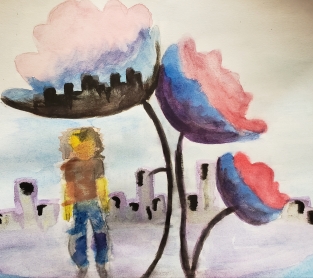





 Last year in the 9th grade, Robert* had a rough start. He would argue with directions, wander hallways, and frequently cut classes. We were alarmed to see these habits so early in his high school career and did our best to address his behavior.


 A friend was recently telling me about his experience when he was a child in the 5th grade. “I used to get in trouble before the 5th grade. But my 5th grade teacher, she liked me. It was like, she never expected me to do anything bad. So I didn’t.”
 Classroom 325